
On October 26, 2026, Thematic Dialogue 3 of the Belt and Road Green Innovation Conference 2026, themed "Co-Cultivating New Momentum for Green Development through Digital and Intelligent Technologies," was held in Hong Kong. The dialogue was moderated by Vanessa Au, Deputy Director of Environmental Protection of the Government of the Hong Kong Special Administrative Region. More than 200 guests participated, including representatives from environmental authorities of BRI partner countries such as Seychelles, enterprises including Mengniu Group, Tencent Group, Huawei and E20 Environment Platform, institutions such as the Hong Kong Quality Assurance Agency and Lingnan University, as well as Chinese and international experts.
As an important supporting platform for this dialogue, the BRI Environmental Big Data Platform was proposed by Chinese President Xi Jinping in 2017 and officially launched in 2019. To date, the platform has gathered environmental policies and regulations from more than 50 countries and millions of ecological data record sand integrated over 200 international environmental indicators. It also offers multilingual intelligent Q&A services. It has built an integrated digital service support system covering environmental impact assessment, green investment analysis, and matching available technologies with needs. In 2026, the platform launched the Global Green Pioneers Initiative, exploring the use of a green computing foundation to build a digital and intelligent hub, organizing outstanding ESG practices from Central Asia and other regions into structured datasets for database ingestion, and using digital models to enable one-click benchmarking and cross-border replication of best practices, thereby accelerating the precise matching of technological achievements with real-world applications.
The dialogue focused on three key areas: the deep integration of digital and intelligent technologies with green and low-carbon development, the development of green computing infrastructure, and the co-construction and sharing of a digital green ecosystem. Participants held in-depth exchanges on topics including strengthening the rules system for integrated digital-green development, exploring low-carbon development pathways for green computing and data centers, and AI-enabled green transformation across all sectors. Vanessa Au stated that the deep integration of digital and intelligent technologies with green development helps remove cooperation barriers, strengthen cross-border collaboration, and foster new ideas, technologies, and initiatives, enabling low-carbon transition to better benefit society. She noted that AI and supercomputing cannot be separated from energy support, and it is necessary to comprehensively consider improving application efficiency, energy efficiency, and carbon emission reduction levels.The dialogue focused on three key areas: the deep integration of digital and intelligent technologies with green and low-carbon development, the development of green computing infrastructure, and the co-construction and sharing of a digital green ecosystem. Participants held in-depth exchanges on topics including strengthening the rules system for integrated digital-green development, exploring low-carbon development pathways for green computing and data centers, and AI-enabled green transformation across all sectors. Vanessa Au stated that the deep integration of digital and intelligent technologies with green development helps remove cooperation barriers, strengthen cross-border collaboration, and foster new ideas, technologies, and initiatives, enabling low-carbon transition to better benefit society. She noted that AI and supercomputing cannot be separated from energy support, and it is necessary to comprehensively consider improving application efficiency, energy efficiency, and carbon emission reduction levels.
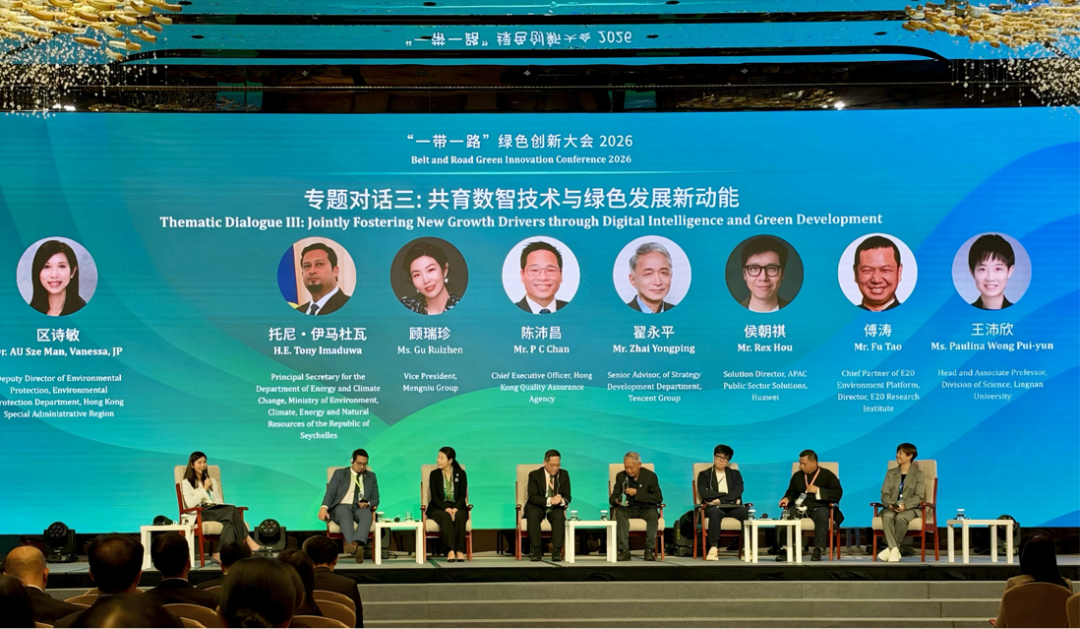
Photo: Scene of Thematic Dialogue 3 "Co-Cultivating New Momentum for Green Development through Digital and Intelligent Technologies"
Reducing Carbon in Computing: Offsetting Growth in AI Energy Consumption through Efficiency Gains
With the rapid expansion of large model training and AI applications, the carbon emissions of computing itself have become an unavoidable issue. Yongping Zhai, Senior Advisor in Tencent's Strategy Development Department, pointed out that without emission reduction measures, global AI energy consumption will double by 2030 compared with 2025, and rise to two to three times the 2030 level over the following five years. However, in the medium to long term, each metric ton of carbon emissions generated by AI operations could help avoid approximately three to five metric tons of emissions. He acknowledged that in the short term, AI energy consumption grows faster than emission reduction effects, creating a time lag. To this end, Tencent is advancing emission reduction through three pathways: continuously improving data center energy efficiency, with PUE already reduced to 1.2 and a target of below 1.15; increasing the share of green electricity, which reached 48% in 2025 and is targeted at 100% by 2030; and coordinating computing workloads with electricity supply by dynamically scheduling computing tasks based on electricity prices and the share of green electricity. He also noted that international standards are shifting from annual matching to hourly green electricity matching, and Tencent has begun work on technologies for direct connections to green electricity sources.
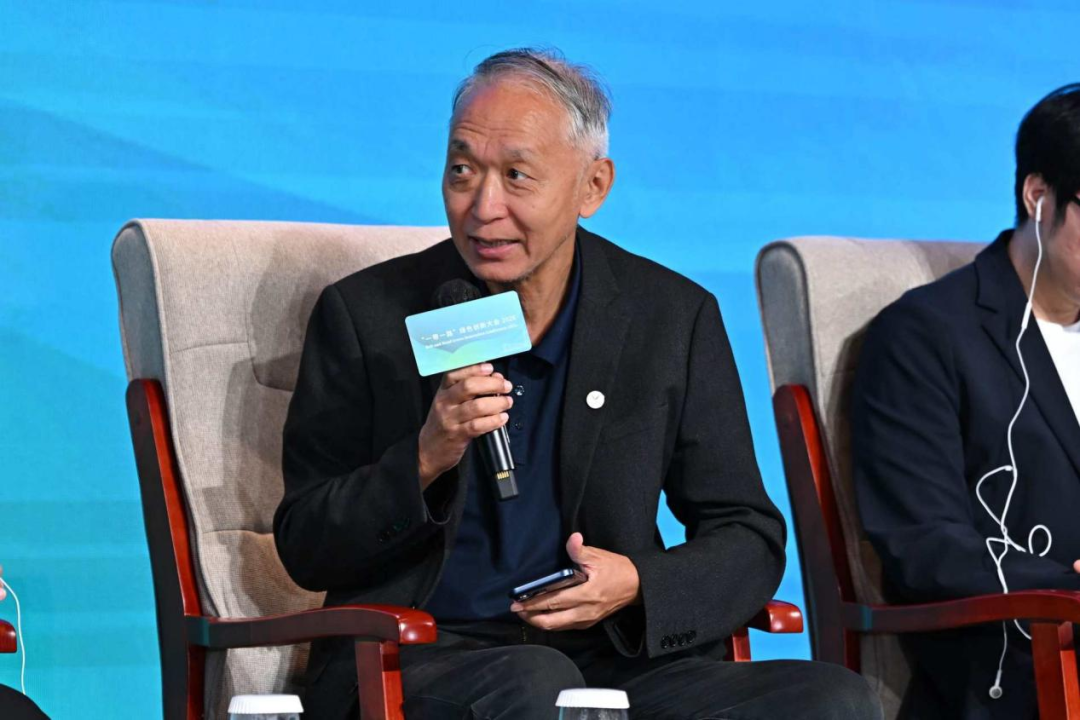
Photo: Zhai Yongping, Senior Advisor at the Strategic Development Department of Tencent Group, speaking
Rex Hou, Solution Director, APAC Public Sector, Huawei, shared practices from a technology and product perspective. Citing cases such as urban heat island simulation and the Pangu-Weather Model, he explained that AI can shorten simulations that traditionally take supercomputers hours to mere seconds. He explained that Huawei's iCooling intelligent cooling solution can coordinate water-cooling systems and GPU heat dissipation, optimize chemical dosing and water consumption, and improve water use efficiency. In conjunction with the "East Data, West Computing" initiative and on-site energy storage systems, locally stored energy can be used during peak electricity demand for peak shaving and load shifting, helping align computing tasks with renewable energy availability across time and locations.

Photo: Rex Hou, Solution Director, APAC Public Sector, Huawei, speaking
Integrating Intelligence with Green: Activating Industrial and Governance Efficiency through Digital and Intelligent Technologies
How can digital and intelligent technologies truly generate carbon reduction value? Gu Ruizhen, Vice President of Mengniu Group, shared the company's practice of using digital and intelligent technologies to address desertification. Using water-saving irrigation and technologies to improve soil microecology, Mengniu has created a 220-square-kilometer oasis in the Ulan Buh Desert over 17 years. Over that period, Gu reported, annual precipitation in the area rose from less than 70 millimeters to 380 millimeters, and soil organic matter recorded a more than 22-fold increase. It has built the world's largest desert organic raw milk base, forming a complete industrial chain loop of "desert control—grass planting—cattle raising—milk production." In Yinchuan, Ningxia, Mengniu has built the world's largest liquid milk lighthouse factory, achieving a 43% reduction in production energy consumption through digital and intelligent transformation. She stated that Mengniu is leveraging the Hong Kong platform to mobilize low-carbon technological innovation across the industrial chain through green financial instruments such as sustainability bonds, and is willing to transform desert control technologies and agricultural-livestock circular industry models into replicable and scalable public goods.
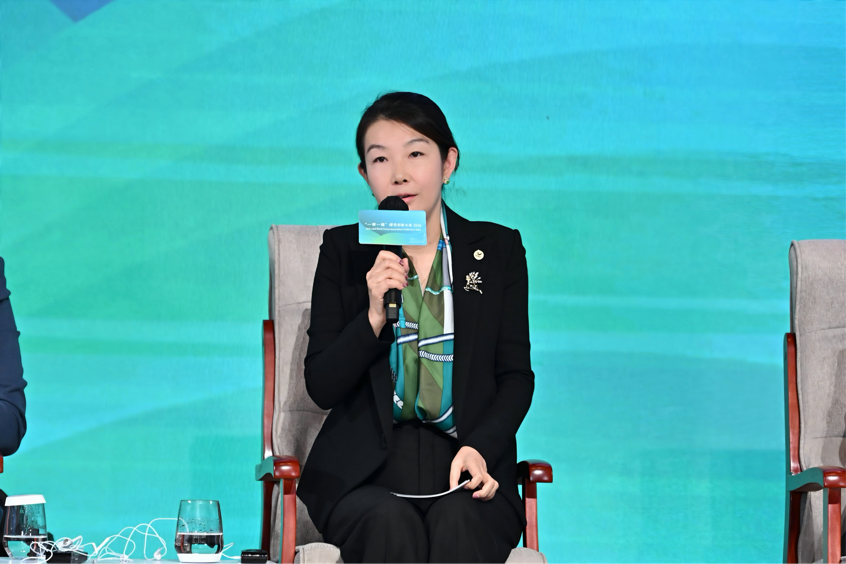
Photo: Gu Ruizhen, Vice President of Mengniu Group, speaking
Fu Tao, Chief Partner of E20 Environmental Platform, believes that artificial intelligence is an important new driver for connecting "lucid waters and lush mountains" with "invaluable assets," accelerating accounting and connecting information to transform ecological value into measurable economic value. He proposed the concept of encapsulating mature AI technologies into environmental protection products before "going global," to avoid difficulties adapting to local conditions when policies, standards, and management models are incompatible. He explained that the platform has worked with industry partners to release a "smart driving" standard for the intelligent operation of wastewater treatment facilities, supporting decentralized facilities in self-monitoring, autonomous decision-making, and intelligent operation.
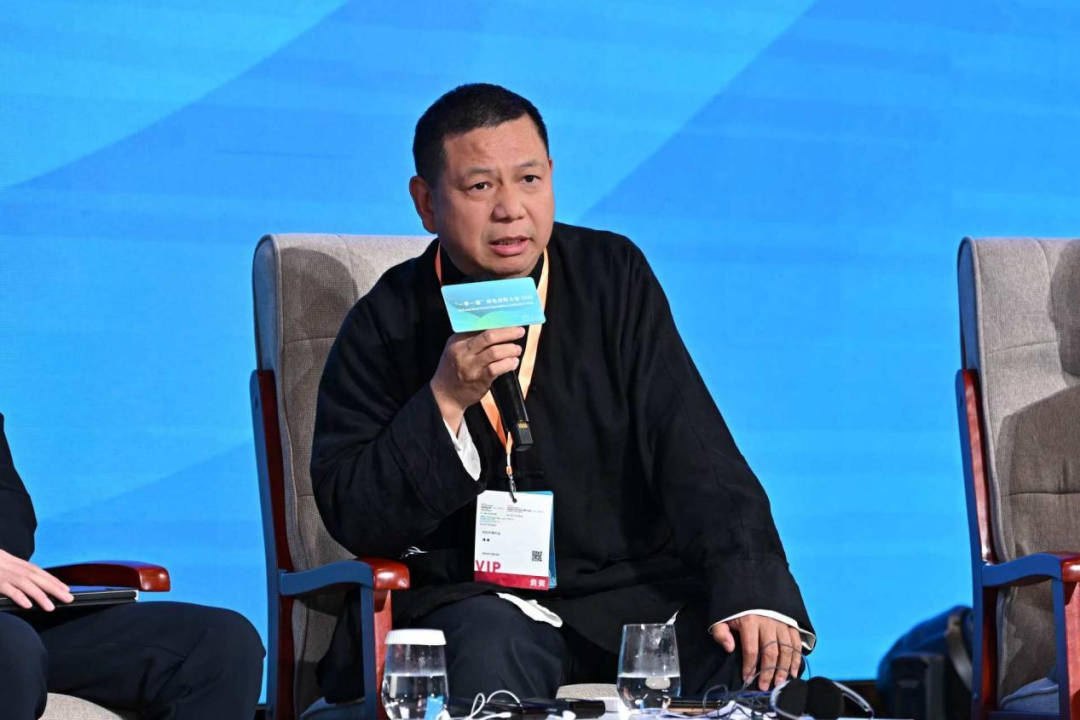
Photo: Fu Tao, Chief Partner of E20 Environmental Platform, speaking
Dr Vanessa Au Sze Man, JP, Deputy Director of Environmental Protection, Government of the Hong Kong Special Administrative Region, shared local practices in Hong Kong: the environmental database has shortened the environmental impact assessment cycle for major government projects from years to months, and AI robotic dogs have been used to assist law enforcement inspections and identify pollution sources, saving manpower and ensuring personnel safety. She stated that all sectors have the motivation to use technology and AI to promote green transformation.
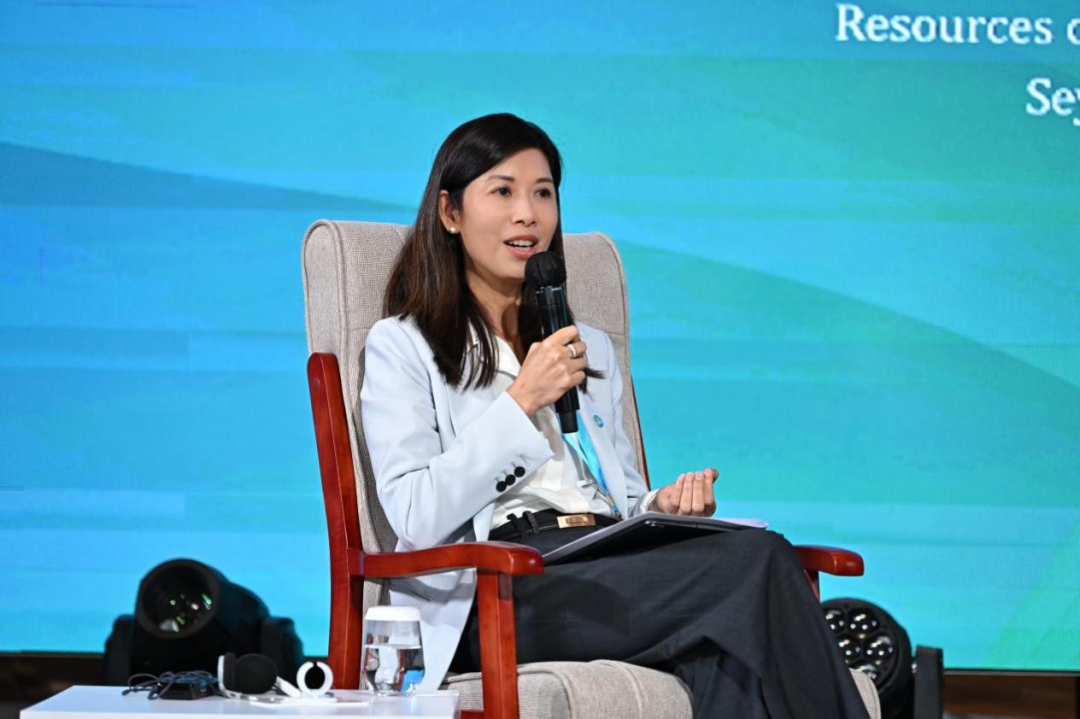
Photo: Dr Vanessa Au Sze Man, JP Deputy Director of Environmental Protection, Government of the Hong Kong Special Administrative Region, moderating and speaking
Connecting Standards: Safeguarding Technology Implementation and Capacity Building through Rules Alignment
The ultimate goal of technology "going global" is local adaptation and sustainable operation. Tony Imaduwa, Principal Secretary for Energy and Climate Affairs at the Ministry of Environment, Climate, Energy and Natural Resources of the Republic of Seychelles, stated that small island developing states have limited land, small markets, and high dependence on imported fossil fuels and external technical capacity. The technologies they need must be affordable, reliable, adaptable to local conditions, and sustainable in operation. He proposed three priorities: improving the quality of climate risk information and early warning capabilities, accelerating renewable energy transition while ensuring island grid stability, and strengthening national digital capacity building.

Photo: Tony Imaduwa, Principal Secretary for Energy and Climate Affairs at the Ministry of Environment, Climate, Energy and Natural Resources of the Republic of Seychelles, speaking
P C Chan, Chief Executive Officer of the Hong Kong Quality Assurance Agency, stated that Hong Kong can leverage its unique advantage of "backed by the motherland and connected to the world" to promote the alignment of disclosure standards for carbon data and energy data with international standards through digital tools. Since 2023, the agency has developed data model tools that have been applied in scenarios such as certification under the Agriculture, Fisheries and Conservation Department's "Hong Kong Harvest" scheme and banking sector electricity consumption data disclosure. In the future, these tools can help BRI partner countries break down language barriers and promote the internationalization of green standards.

Photo: P C Chan, Chief Executive Officer of the Hong Kong Quality Assurance Agency, speaking
Paulina Wong Pui-yun, Head and Associate Professor of the Science Unit at Lingnan University, stated that AI is solving the problem of fragmented environmental data, but industry demand has shifted from annual data to hourly data. Universities must break down disciplinary barriers, promote the cross-integration of geography, computer science, and data science, and train professionals with skills in both digital technology and environmental governance. She emphasized that AI tools cannot replace basic training; students still need to master data structures, algorithms, and geospatial analysis to turn data into decisions and actions tailored to local conditions.
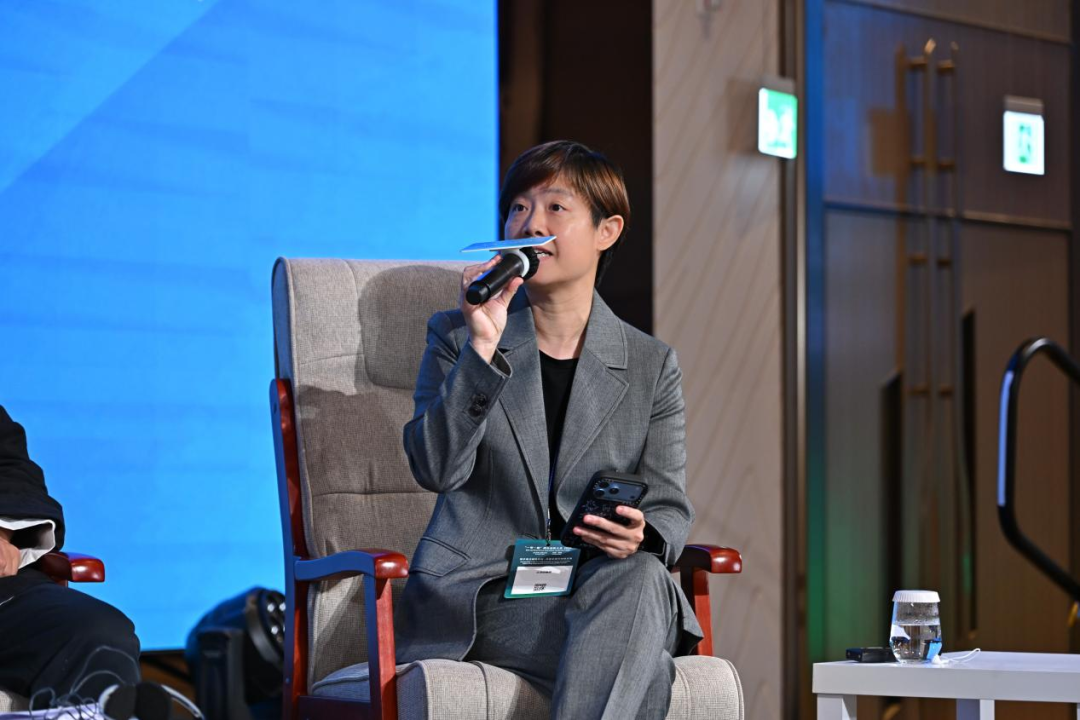
Photo: Paulina Wong Pui-yun, Head and Associate Professor of the Science Education Department at Lingnan University, speaking
All parties agreed that it is necessary to leverage the synergistic advantages of the Digital Silk Road and the Green Silk Road, deepen cross-border exchanges and technical cooperation, and cultivate new momentum for integrated digital-green development. In particular, through the BRI Environmental Big Data Platform, a more open digital and intelligent cooperation ecosystem should be built, enabling BRI partner countries to share digital and intelligent governance tools, match advanced technologies precisely with application scenarios, and use digital and intelligent technologies to facilitate the global flow of policies, technologies, capital, and talent, so that needs can find technology, technology can connect with funding, funding can deliver results, and results can benefit the world, injecting new digital-green vitality into global sustainable development.
Copyright © 2020 BRI International Green Development Coalition. All rights reserved.
Address: No.5 Houyingfang Hutong, Xicheng District, Beijing 100035, China
Postcode: 100035
Fax: (86)10-82200539
E-mail: secretariat@brigc.net


