
The 2026 Belt and Road Capacity-Building Seminar on Financing Mechanisms and Carbon Finance opened in Beijing on 2 November. Organised by the International Green Development Coalition for the Belt and Road Regions (IGDC) under the guidance of the Department of Climate Change and the Department of International Cooperation of the Ministry of Ecology and Environment (MEE), the two-week seminar will run in Beijing and Wuhan. It has brought together nearly 20 government officials, experts and technical specialists working on climate change from 14 countries across five continents—Asia, Africa, Europe, the Americas and Oceania. Through exchanges on financing mechanisms, carbon finance, and green and low-carbon development, the seminar aims to advance South-South cooperation on green and low-carbon development and help developing countries build their capacity to address climate change.
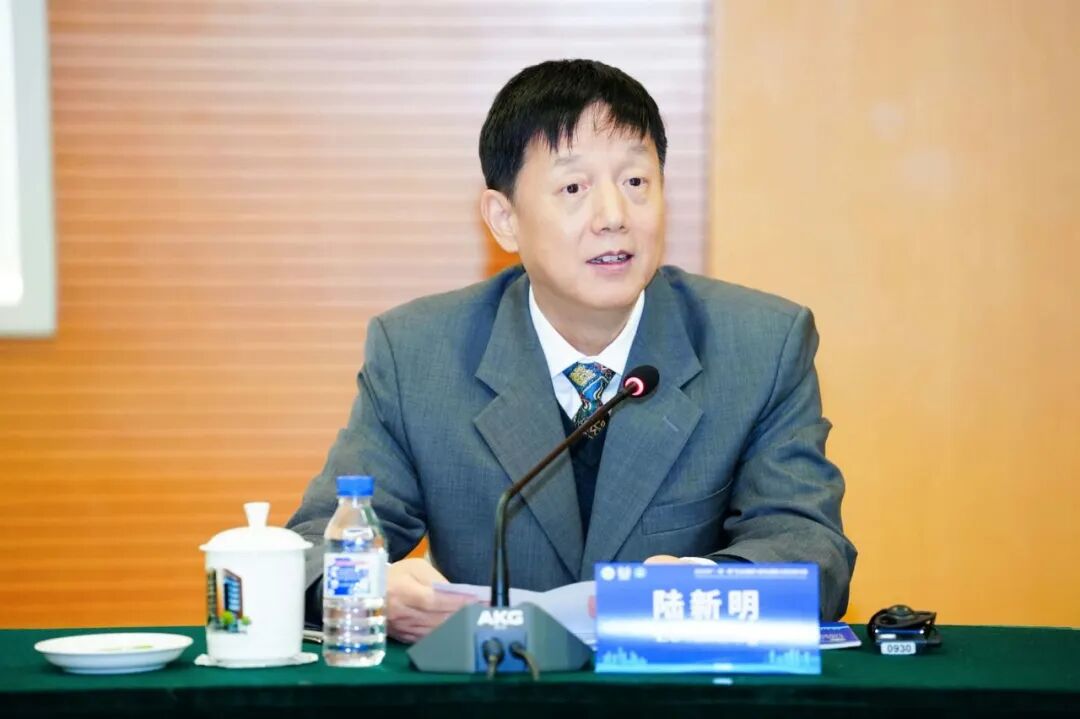
▲Opening ceremony of the seminar
In his opening remarks, Lu Xinming, Deputy Director-General of the Department of Climate Change, MEE, said that China has remained firmly committed to its national strategy of actively responding to climate change, treating climate action as a key lever for building an ecological civilisation and pursuing high-quality development. China’s new Nationally Determined Contributions, announced in September 2025, fully reflect its commitment as a responsible major country. China has been actively exploring new approaches in climate investment and financing and in carbon finance, and stands ready to share its experience with fellow developing countries and work with them to overcome the financing challenges facing green and low-carbon development.
Lu noted that China has long been a firm supporter of and practical contributor to South-South cooperation on climate change. It has signed 60 memoranda of understanding on South-South climate cooperation with 46 developing countries, is developing low-carbon demonstration zones jointly with five countries, and has helped developing countries tackle climate challenges in a variety of ways, including by donating green and low-carbon products. China has also run more than 300 capacity-building programmes, training over 10,000 climate officials and technical personnel from more than 120 developing countries. The seminar, he added, is another concrete step in China’s efforts to advance South-South climate cooperation and deepen green development under the Belt and Road Initiative.
Speaking on behalf of the participants, José Maria Ramos da Veiga, Director-General of Planning, Budget and Management at the Ministry of Environment, Climate Action and Energy of Cabo Verde, said he was impressed by the openness and strong action China has shown in South-South cooperation. This, he said, reflects China’s role as a responsible major country and has given developing countries greater confidence and momentum in their green transition. He described the seminar as an important platform for countries to share experience and match their needs with opportunities for cooperation, and expressed confidence that, with China’s support, developing countries will build stronger consensus on green and low-carbon development, enhance their capacity to address climate change, work together for sustainable development, and bring fresh impetus to global climate governance.
Chen Gang, Secretary General of IGDC, said that developing countries have pressing needs in financing green projects, aligning green standards and information disclosure rules, and applying green financial instruments. Building on a consensus reached at the recent Belt and Road Green Innovation Conference 2026—that innovation in financial instruments can tangibly lower financing costs—the seminar addresses these needs at three levels: projects, rules and instruments. He added that IGDC will continue to serve as a bridge, drawing on its three platforms—the Green Investment and Finance Partnership (GIFP), the BRI Green and Low-carbon Expert Network (GLEN) and the BRI Environmental Big Data Platform (BEDP)—to turn consensus into action, action into projects, and projects into replicable and scalable solutions.
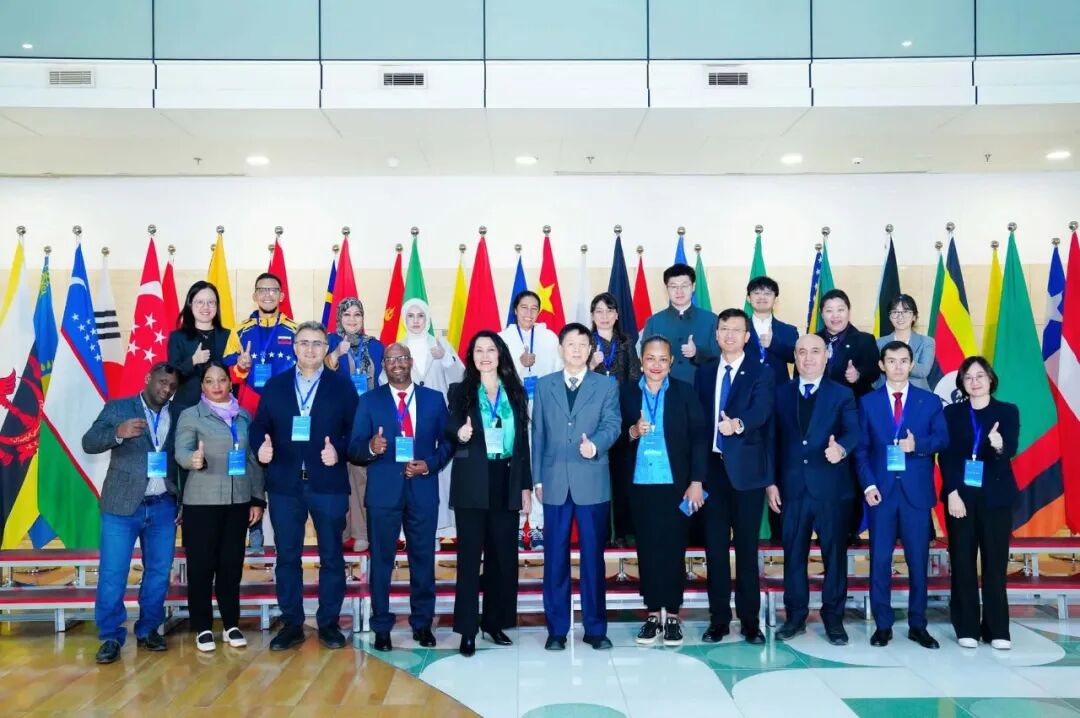
▲Group photo of the participants
This is the third consecutive year that IGDC has organised a capacity-building programme on South-South cooperation on climate change. The seminar offers three types of courses: macro-level courses on global environmental and climate governance; courses on the fundamentals and innovative practices of climate investment and financing; and field visits and on-site sessions focusing on China’s green and low-carbon transition. Topics include the Green Silk Road, carbon markets and carbon finance, product carbon footprints, zero-carbon industrial parks, the transition of carbon-intensive industries, and the circular economy.
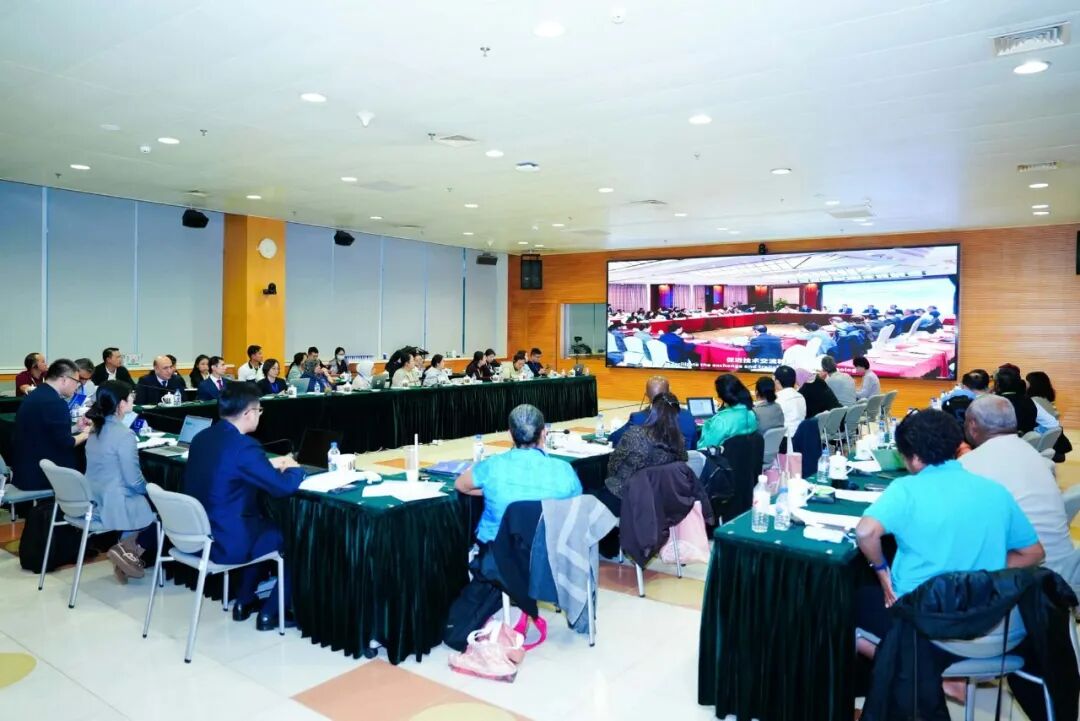
▲A session in progress
Following the opening ceremony, IGDC representative briefed participants on the latest progress in China’s international cooperation on ecology and environment and in building a green Belt and Road. Participants also joined trainees from the Seminar on Environmental Governance under the Global Development Initiative, hosted by the Ministry of Commerce (MOFCOM), for a Belt and Road exchange on South-South climate cooperation. Together with experts from the Foreign Environmental Cooperation Center (FECO) of MEE, the Research Institute for Eco-civilization of the Chinese Academy of Social Sciences (CASS) and other institutions, they discussed the evolving landscape of global climate governance, as well as the progress and prospects of South-South climate cooperation and of China–ASEAN cooperation on climate adaptation.
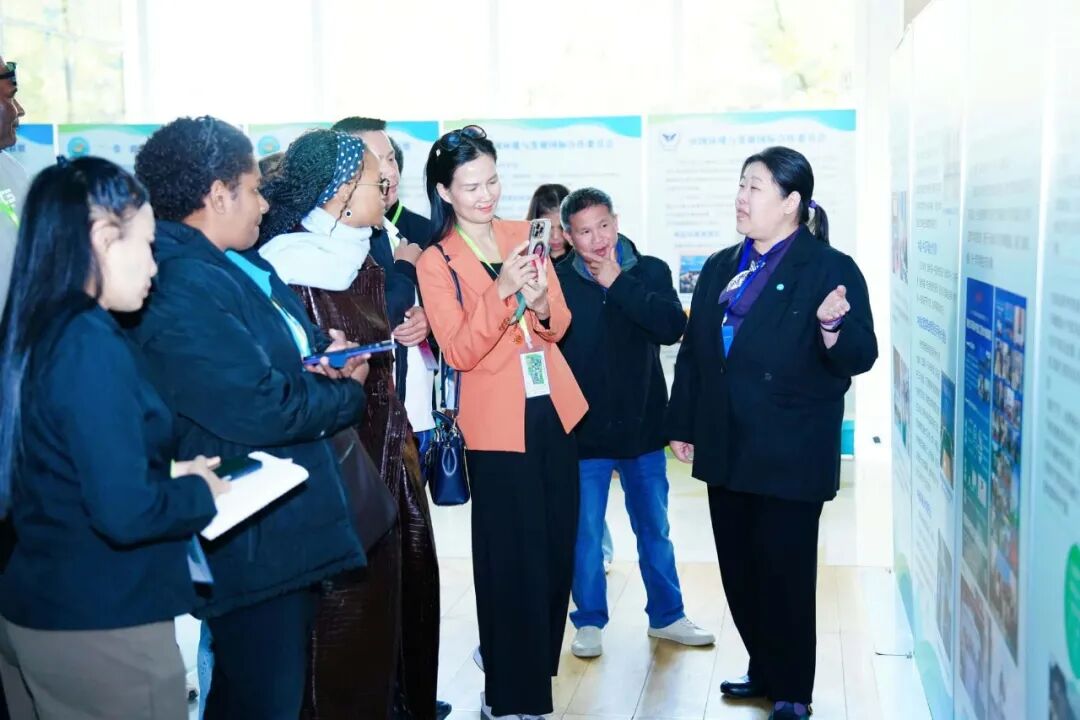
▲On-site learning at IGDC
Copyright © 2020 BRI International Green Development Coalition. All rights reserved.
Address: No.5 Houyingfang Hutong, Xicheng District, Beijing 100035, China
Postcode: 100035
Fax: (86)10-82200539
E-mail: secretariat@brigc.net


