
Antalya, Türkiye, morning of 9 November, local time. Mediterranean winds sweep across this Eurasian crossroads that has witnessed the rise and fall of ancient Greece, the Roman Empire, the Byzantine Empire and the Ottoman Empire. It is here that the 31st Conference of the Parties to the United Nations Framework Convention on Climate Change (COP31) officially kicks off. Over the next 12 days, representatives from more than 190 Parties will hold consultations on issues including emission reduction targets and their implementation, climate finance, adaptation and resilience, and just transition.
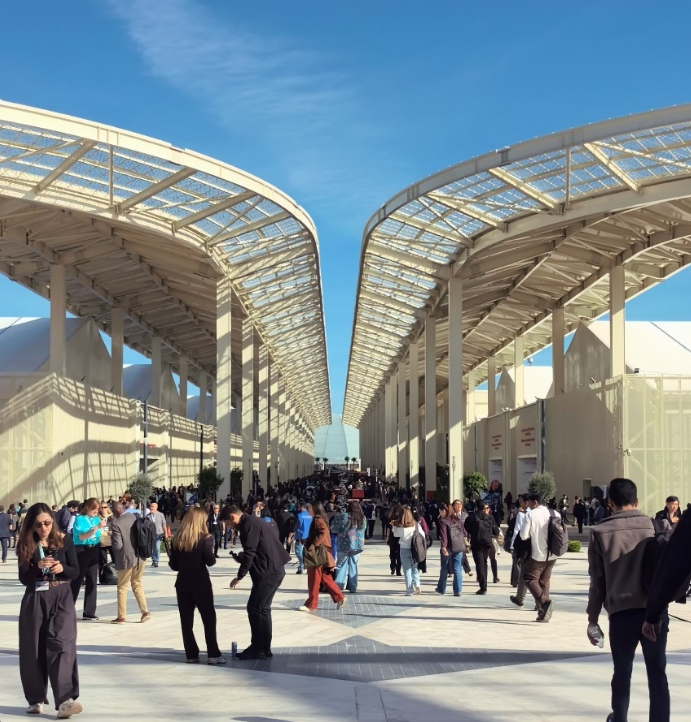
COP31 has themed the conference “The Implementation COP”, with “Dialogue, Consensus, Action” as the three guiding principles for the Presidency’s work. An estimated nearly 100,000 people will descend on Antalya. At registration desks, in walkways and café areas, representatives from all countries, journalists, youth groups and civil society organizations mingle closely. A shared sense of anticipation hangs over the crowd: as the Paris Agreement enters its second decade of implementation, can pledges truly be translated into action. People have come together not merely to attend a conference, but to bring their pledges, technologies, finance and actions to the same table. This venue serves as a bridge connecting existing commitments with future actions. It also links the Blue Zone and the Green Zone: the Blue Zone hosts official negotiations and high-level meetings as the core arena for intergovernmental deliberations and bargaining; the Green Zone is an open space for government agencies, businesses, academia, civil society and young people to share solutions.
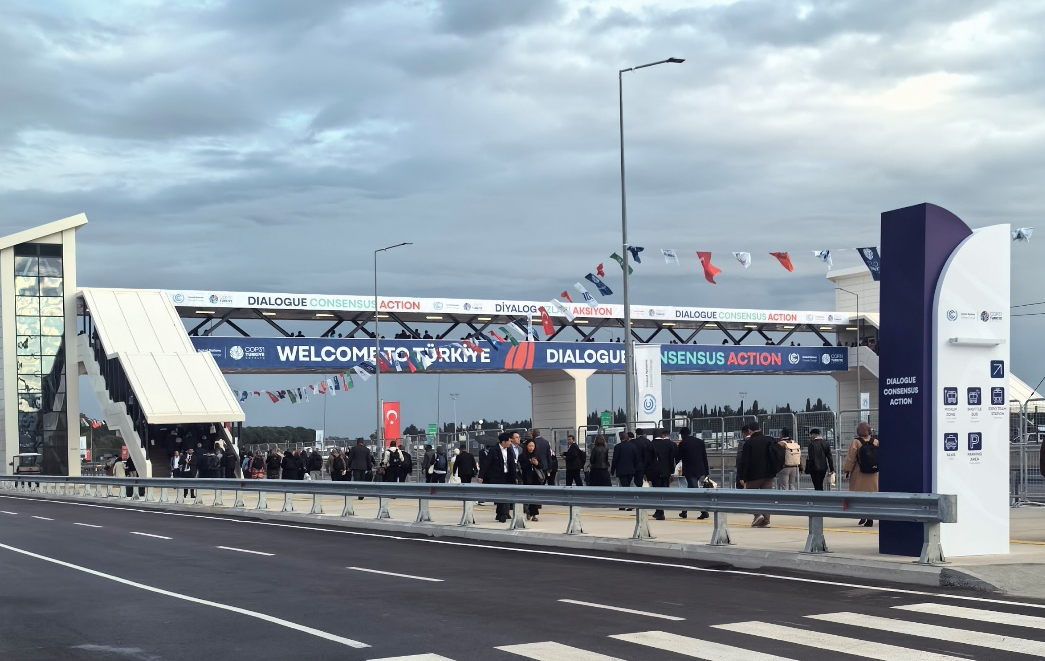
IGDC Attains Observer Status to the Convention
On the very day of the conference opening, the International Green Development Coalition of the Belt and Road (IGDC) was officially granted observer status to the United Nations Framework Convention on Climate Change. This marks the third observer accreditation the Coalition has secured, following the United Nations Convention to Combat Desertification and the Convention on Biological Diversity. With this milestone, IGDC has obtained observer status for all three Rio Conventions.
From this moment onward, we hold an official mandate to document, engage in and advance the UNFCCC process from an observer’s perspective. For IGDC, this represents a new responsibility and a brand-new vantage point for observation.
IGDC’s Members Span the Globe
IGDC continues to deepen its global partnership network. It now has 64 member organizations and over 190 partners, spanning four continents and nearly 50 countries. COP31 serves as a stage where this network demonstrates its strengths collectively. On its first day as an observer, IGDC hosted a high-level side event titled “Strengthening South‑South Cooperation to Deliver Global Climate Action” at the UN Climate Change Pavilion. Two IGDC members, namely the Hong Kong Quality Assurance Agency and Mengniu Group, showcased their leadership in green development. Sharing insights on Hong Kong’s green hydrogen standards and certification scheme as well as Mengniu Dairy’s carbon reduction practices, they helped scale up green development solutions in more developing countries. IGDC also attended the side event “Digital Technologies Empowering Sustainable Development of Canal Cities” organized by the World Canal Cities Organization.
On the afternoon of 10 November local time, two IGDC members, the China Association of Circular Economy and the Ellen MacArthur Foundation (United Kingdom), together with relevant enterprises, launched a joint corporate initiative “Advancing Circular Economy for Climate Action”. On 12 November, IGDC and its initiator FECO will co-host the High‑Level Forum on South‑South Cooperation on Climate Change. IGDC will conduct in-depth exchanges with partners including the Convention Secretariat, V20 Group, Brazil and Ethiopia throughout the conference, to advance South‑South cooperation from consensus to projects and from projects to tangible results.
Walking Through the Pavilions: Encounters With the World
COP31 has adopted a co‑Presidency model for the first time this year, with Türkiye and Australia working jointly. Türkiye serves as the Conference Presidency to advance the climate action agenda, while Australia acts as the Negotiation Presidency to chair formal intergovernmental negotiations. At this gathering bringing together more than 190 countries, the people you pass by in the corridors may be negotiators from a national delegation or youth observers fresh from a side event. Walking from side event venues toward the exhibition halls, you get a tangible sense: the whole world is here. Inside the Blue Zone pavilions, country booths line the walkways one after another.
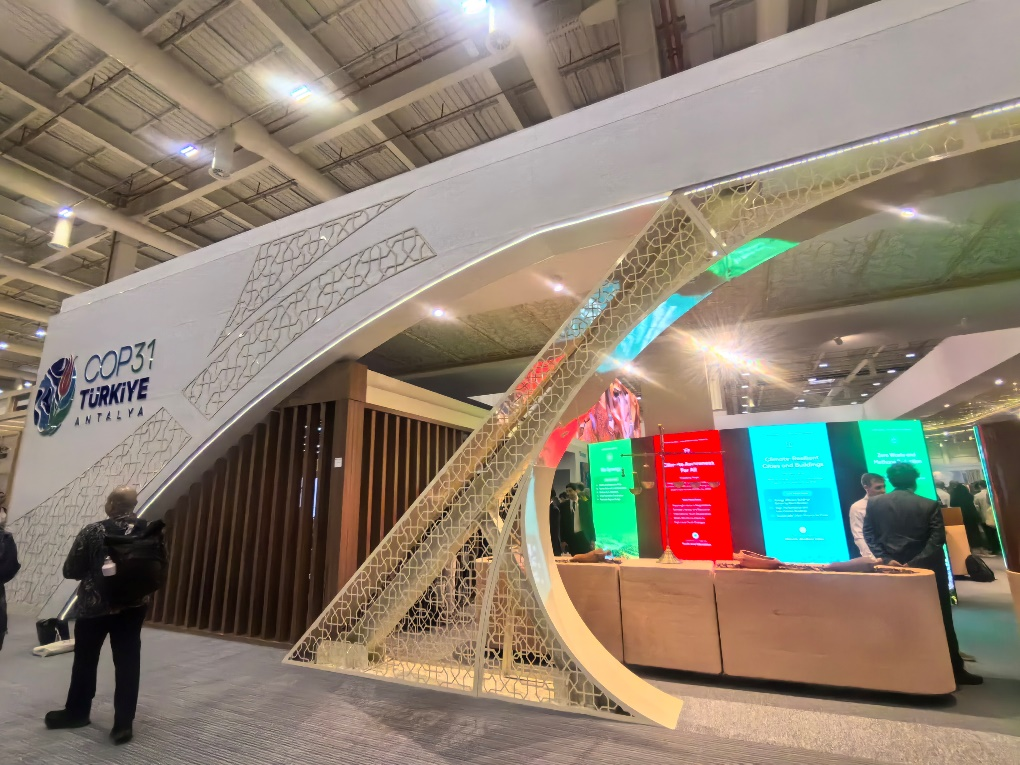
The pavilion of Presidency Türkiye showcases its priority action agendas including electrification, green industrialization, zero waste and climate adaptation, with a diverse array of exhibits embodying the host’s commitment.
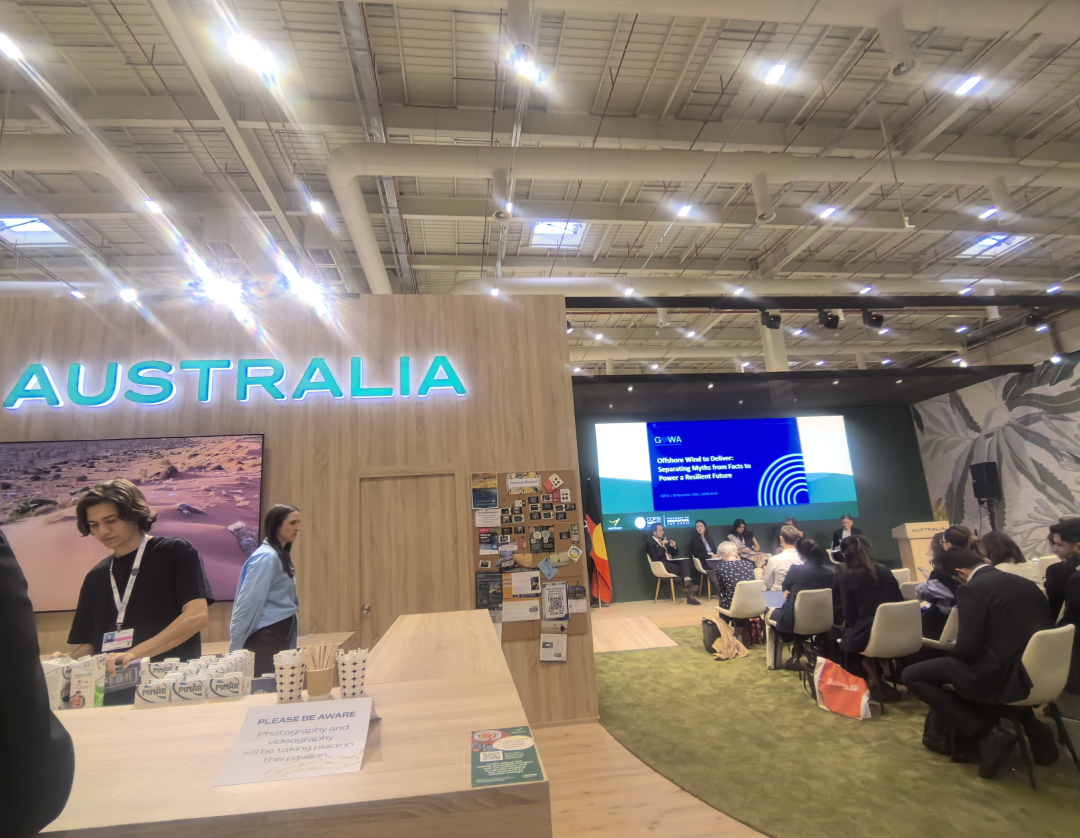
The pavilion of Presidency Australia voices the aspirations of Pacific island nations — homelands threatened by rising sea levels, and the resilient future for which they strive.
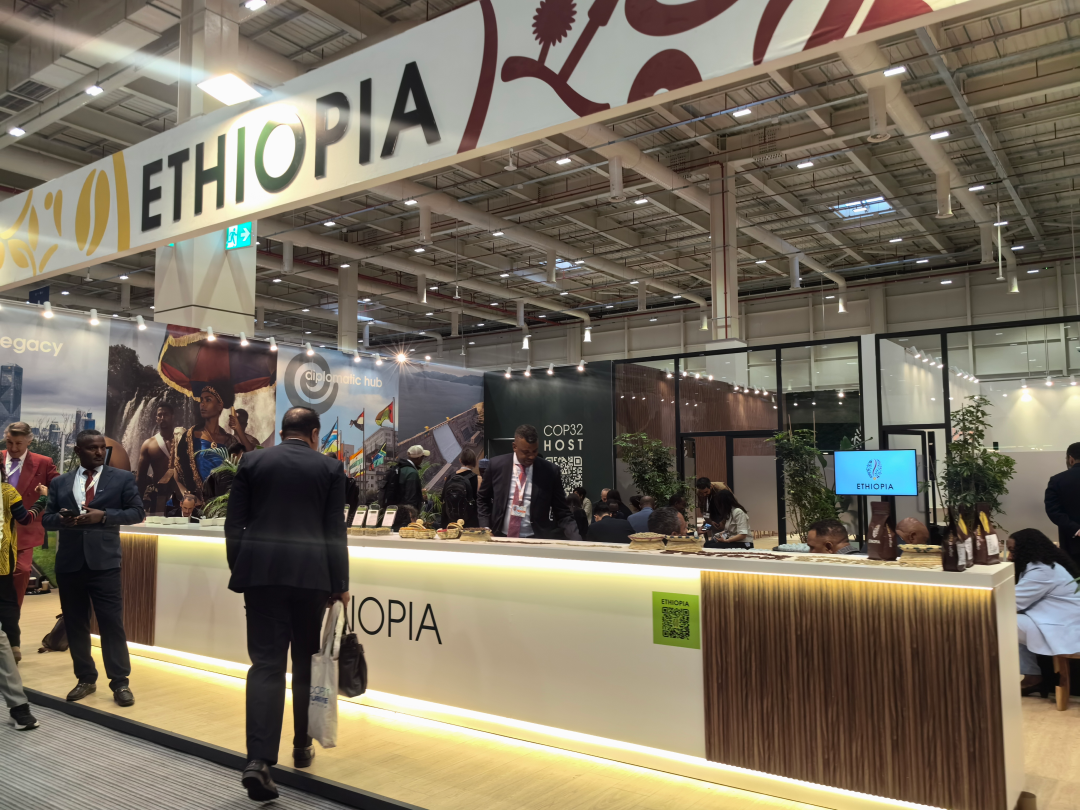
The pavilion of Ethiopia, incoming Presidency of COP32, serves as a prelude to COP32, laying out the actions for the next chapter in advance.
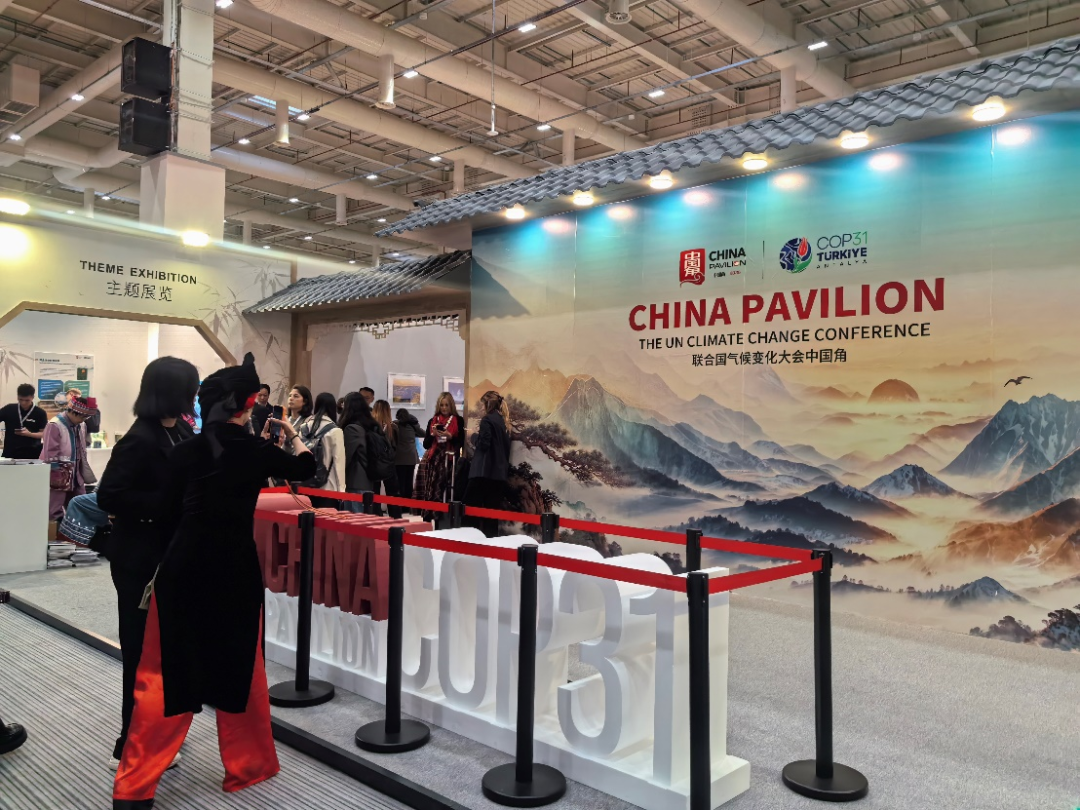
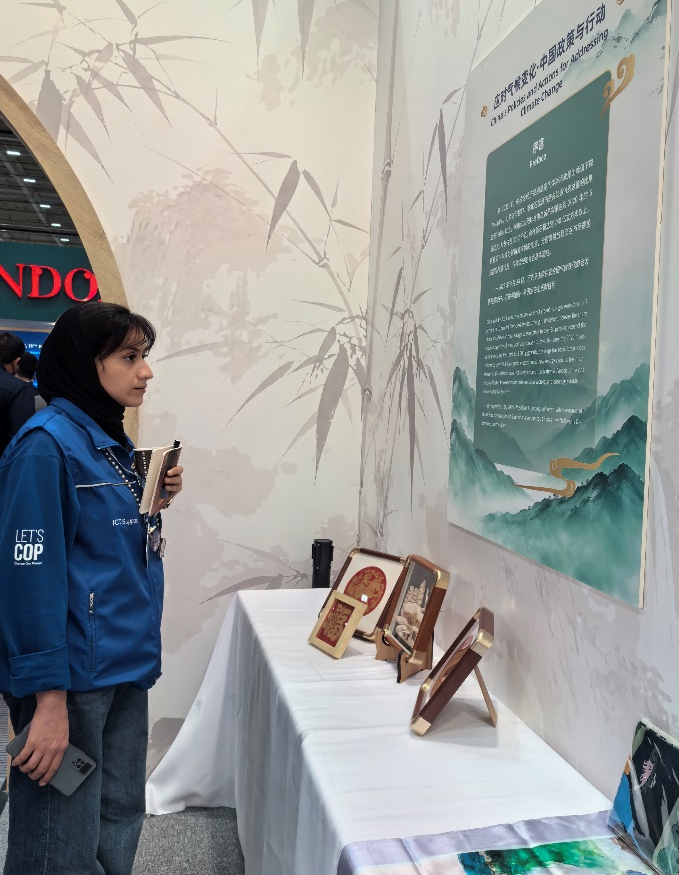
The China Pavilion features a packed schedule. Covering renewable energy, climate adaptation, circular economy and South‑South cooperation, it draws partners from all nations who come to learn about China’s climate policies and actions.
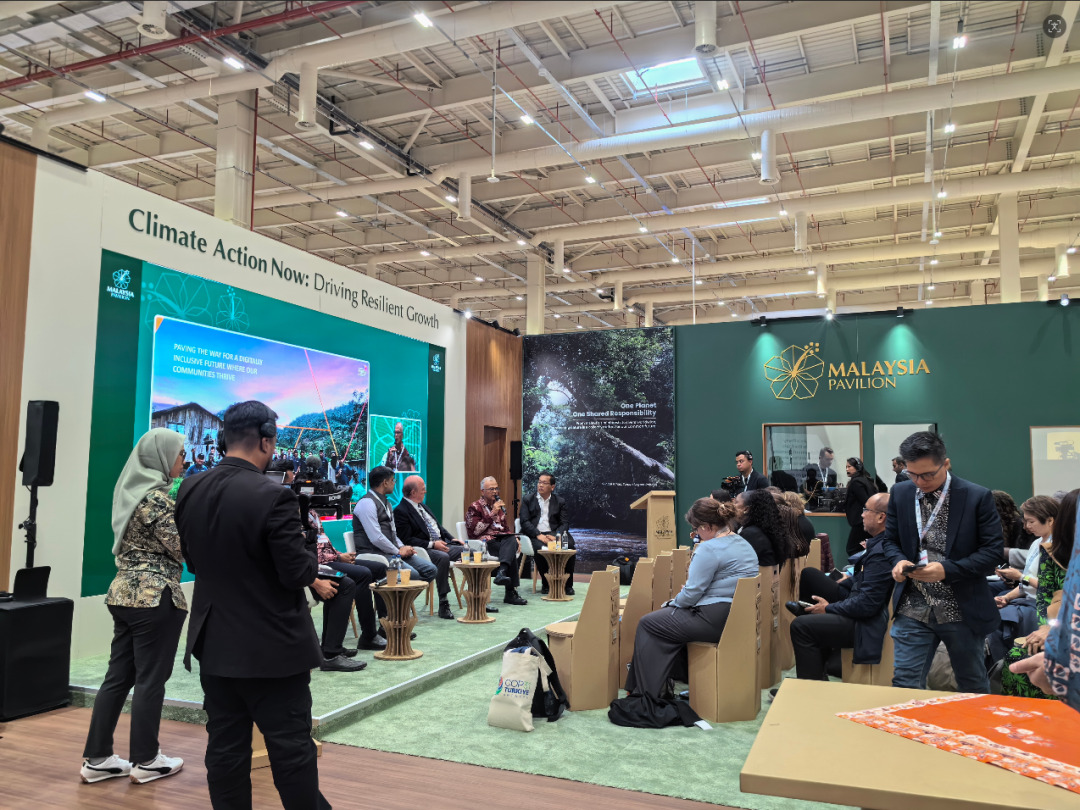
Malaysia’s pavilion radiates tropical greenery, hosting discussions on climate action and a resilient future.
What Strikes Us Most: Diversity Matters
At COP31, you can sense a diverse atmosphere that is hard to put into words precisely.
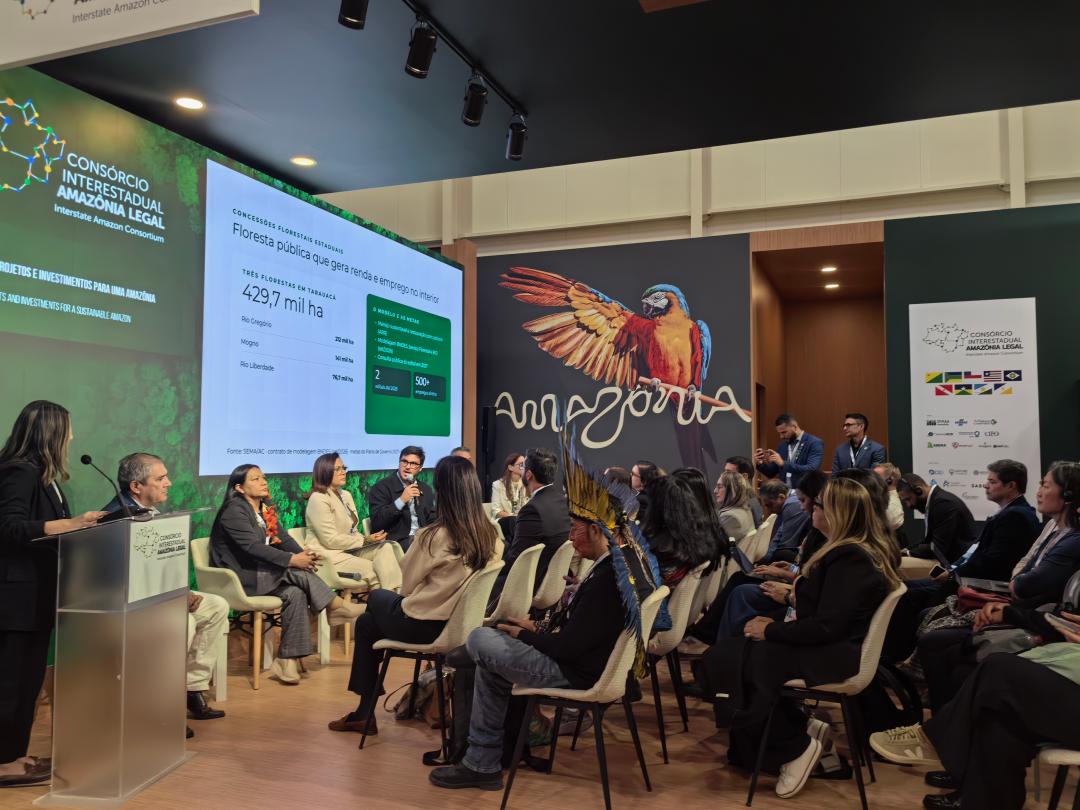
Some pavilions host immersive exhibitions, some stage cultural performances, and others focus on project discussions. Some participants engage in artistic creation, some deliberate on resilient development, and others talk about their countries’ NDC (Nationally Determined Contribution) targets.
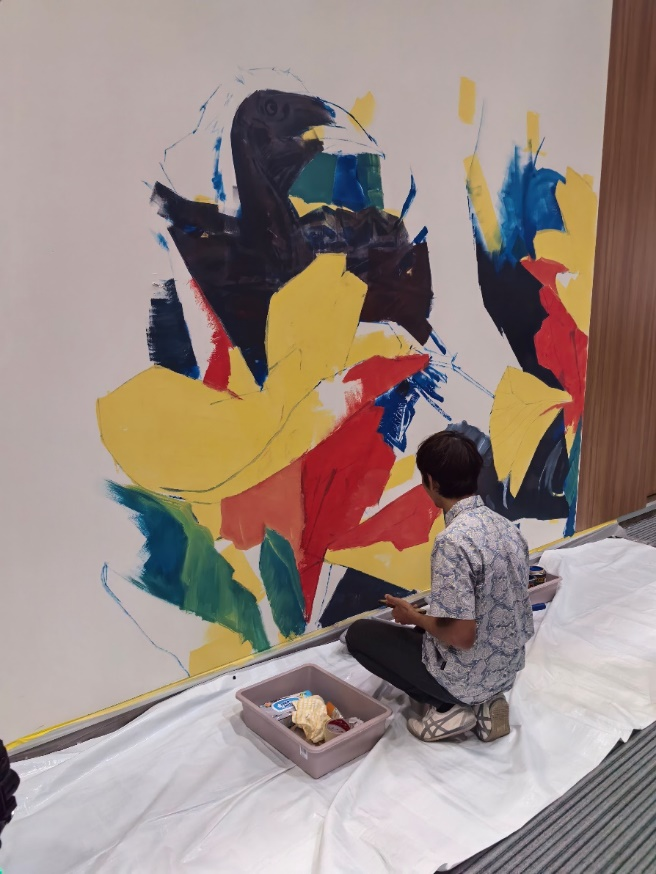
When national commitments hit a stalemate at the negotiation table, businesses present technical pathways, financial institutions discuss mechanism design, youth groups carry out oversight and accountability, subnational governments share practical case studies, and universities conduct research and talent development.
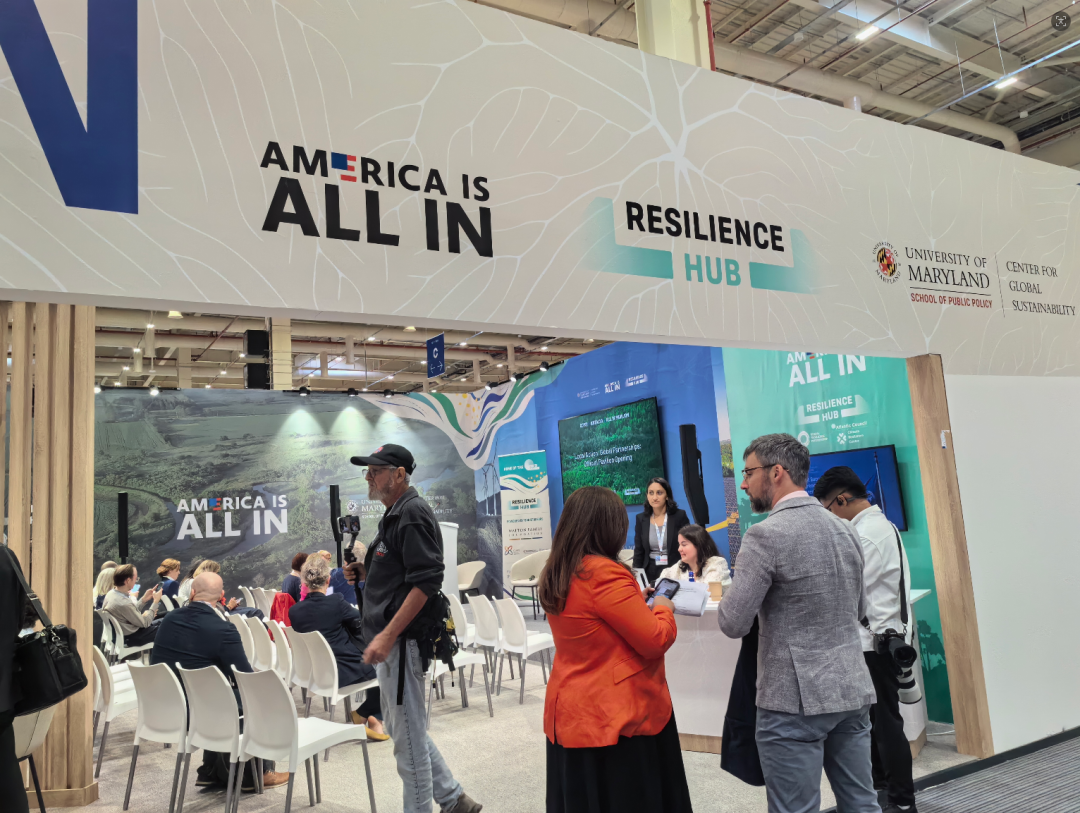
Climate targets and action constitute a relay race calling for joint participation from governments, the market, civil society, the scientific community and young people. IGDC is missioned to advance the green and low‑carbon transition of the Global South. It strives to galvanize action from all parties, turn pledges into implementation, and translate implementation into projects. IGDC looks forward to working together with its member organizations and partners to deliver tangible outcomes from climate pledges.
Copyright © 2020 BRI International Green Development Coalition. All rights reserved.
Address: No.5 Houyingfang Hutong, Xicheng District, Beijing 100035, China
Postcode: 100035
Fax: (86)10-82200539
E-mail: secretariat@brigc.net


